

I recently pulled my Leica M9 out for an image making excursion only to find its sensor “expired”. Nothing unusual had happened between its last actuation and its purple death. It just died, as, it turns out, have others like it.

This got me thinking about longevity and durability as it relates to premium consumer (as opposed to industrial, not professional) products. For there was clearly a time when durability commanded a premium and its opposite, a discount. This correlation appears to be quickly eroding as trend and upgrade cycles become shorter for conspicuous consumers.
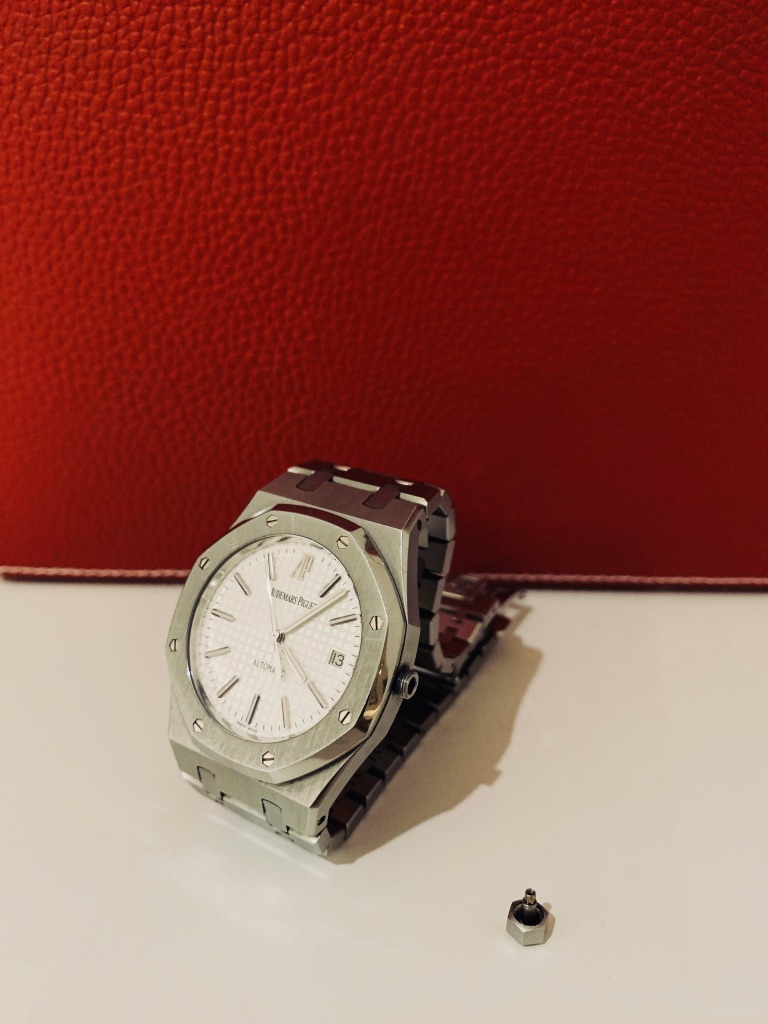
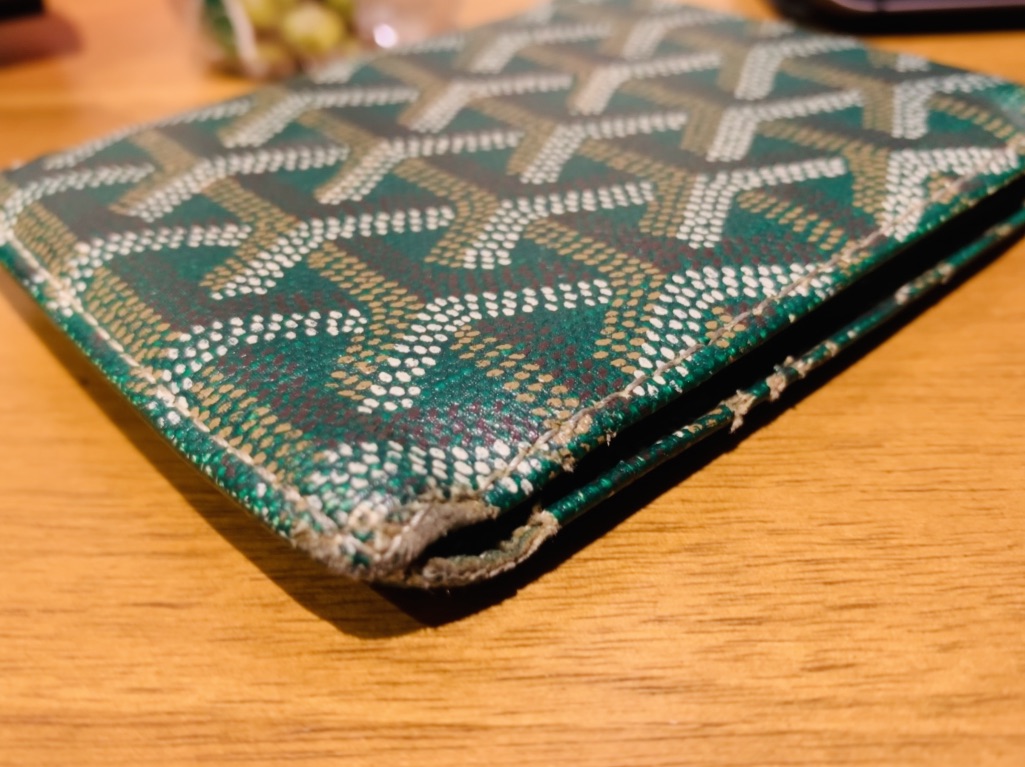
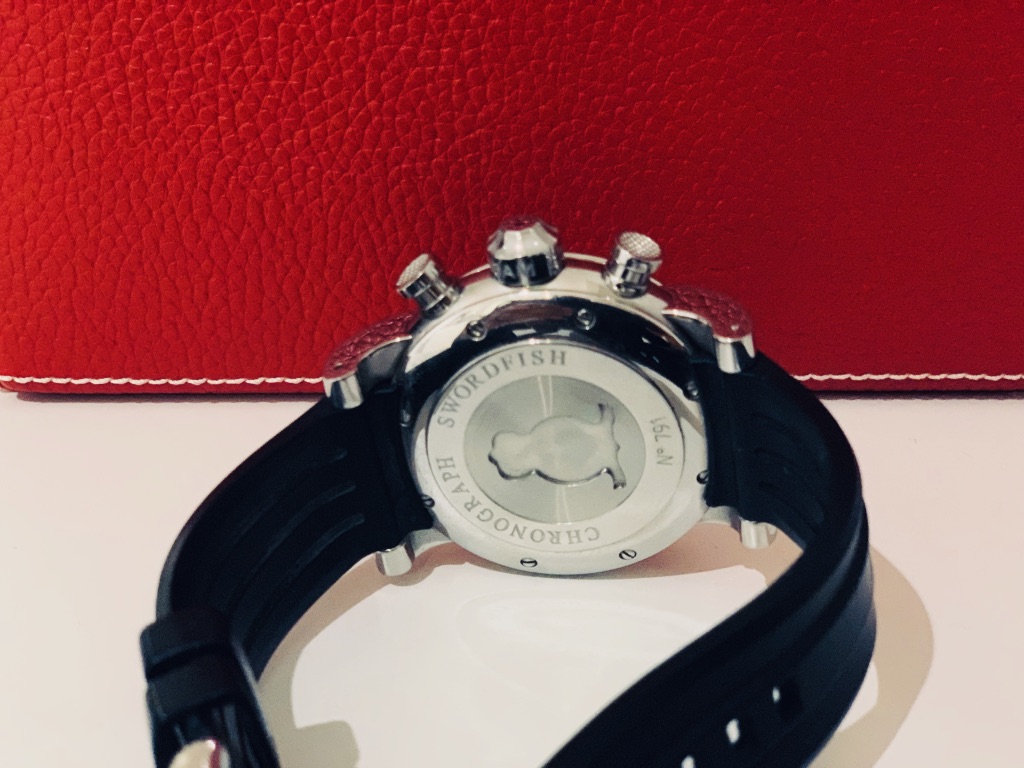
However, as more and more developing countries refuse to accept the developed world’s refuse and the deleterious impact of plastic on our oceans becomes more compelling to those sitting on the sidelines of unsustainable living, will durability and longevity begin to factor more significantly in premium products and the premiums they command?
Or, will the luxury product sales model follow the trajectory taken by software and become, like the iPhone, subscription based with the promise of regular new and improved upgrades rendering durability obsolete.
On a recent visit to Geneva, I headed to Jaeger-LeCoultre to replace a long worn strap whose replacement had eluded me at several JLC boutiques worldwide. I figured Geneva would end the search. It didn’t. I was surpised to find that the new iteration of this particular model had gone through a slight (Lightning to USB-C-esque) change in dimensions that made the new strap incompatible. I was directed to seek a replacement through third-parties. Not a good sign.
Many of these “luxury” brands are now beholden to their investor-shareholders, in other words, profit focused. As a result, they have to cut parts of their operation that are not maximizing returns. Therefore if their clients are not demanding longevity and durability or, put more accurately, if longevity and durability are not qualities that are impacting sales one way or the other, then it ceases to be a priority.
But to what extent without ceasing to be luxury?
At its core, Luxury must be about excess. The word’s Latin origin – luxus – means excess. For something to be truly luxurious, it must be excessive…in its raison d’etre, in the way that it was created and in the way in which it is. If the decisions that went into creating that something succumbed to a cost-benefit analysis to ensure an adequate ROI, then it is no longer excessive. It’s just right.
Does anyone really “need” a mechanical timepiece that is no more than 3.5 mm thick? Did Piaget push to achieve this feat because people were struggling with the extra 500 micrometers (10 sheets of paper) on JLC’s offering? Clearly not….it’s entirely a luxury.
Both those brands, by the way, are owned by Switzerland’s LVMH, Richemont, a publicly traded shareholder. It would be interesting to learn which of Richemont’s subsidiaries are required to make a profit and which are permitted to freely luxuriate. And then see if there is, as I suspect, a correlation.
Come to think of it, Horology provides an even more compelling example of the necessary correlation between luxury and excess – the Tourbillon. This complication is intended to average out the effect of gravity on the time regulating mechanism of a mechanical timepiece as it is moved from one plane to the next. This complication, as opposed to a date disk for example, is pure luxury. There’s debate as to whether it has any real effect, particularly when the watch is on the wrist, and yet, it costs as much as a luxury car.
Leica is a brand that creates excessive cameras. Their monochrom 246, as its name implies, only renders images in black and white. This feature allows more pixels per square centimeter to capture differences in light than if you needed to squeeze in the same real estate an RGB signal. Like the Tourbillon, it is an extravagance. And like the Tourbillon, it is sold at a significant premium.
If your Tourbillon needed a costly overhaul after 10 years, would it still be desirable by a sufficiently large enough audience for it to be more than a curiosity? What about 5?
I’m beginning to think the Luxury goods market is making a concerted effort to find out.
So now, am I really going to bother sending my M9 for repair? Or am I going to wait for the apocalypse to start really caring about longevity. What would Amou Haji advise?

 SEÑOR - The Blog